How Often You Should Replace The Loofah In Your Shower?
Knowing when to replace your shampoo, conditioner and body wash is easy — when the bottle is empty, you know it’s time. But knowing when to replace your loofah? That can be a bit harder.
Just like toothbrushes, loofahs need regular replacing to keep your hygiene in check. And chances are, your loofah is past due for a switch out.
“In general, aim to replace your shower loofah about every three to four weeks,” dermatologist Dr. Dusan Sajic tells In The Know. “But this timeframe can depend on the type of loofah you’re using. Natural loofahs tend to break down and become less effective more quickly than synthetic ones, so they might need to be replaced more frequently.”

Aside from use-related deterioration, there are other important reasons you should replace your loofah on this expert-recommended schedule.
“Loofahs can be a magnet for bacteria and other microbes, especially since they’re typically kept in the warm, moist environment of a bathroom,” Dr. Sajic says. “Replacing your loofah regularly reduces the chance of these bacteria causing infections or other skin problems.”
While replacing your loofah every month or so will help keep its effectiveness in check, there are simple ways to keep your scrubber in shape during its life to help maintain its benefits.
“It’s important to let your loofah dry out thoroughly between uses to minimize bacterial growth. Keeping it outside of the shower, where it can dry more completely, is a good idea,” Dr. Sajic says, adding, “Although most would find this self-explanatory, never share your loofah with others as it can spread skin conditions or infections.”

Picking out your perfect loofah is a highly personal thing, according to Dr. Sajic. More than shopping for a particular loofah type or brand name, the dermatologist says a quality loofah is one that works for your skin — especially if you have sensitive skin.
“For people with sensitive skin, a softer loofah or shower sponge might be a better option to avoid causing irritation,” Dr. Sajic says. “It’s always a good idea to look for products that have been tested and certified as safe and effective — or at the very least have great reviews online!”
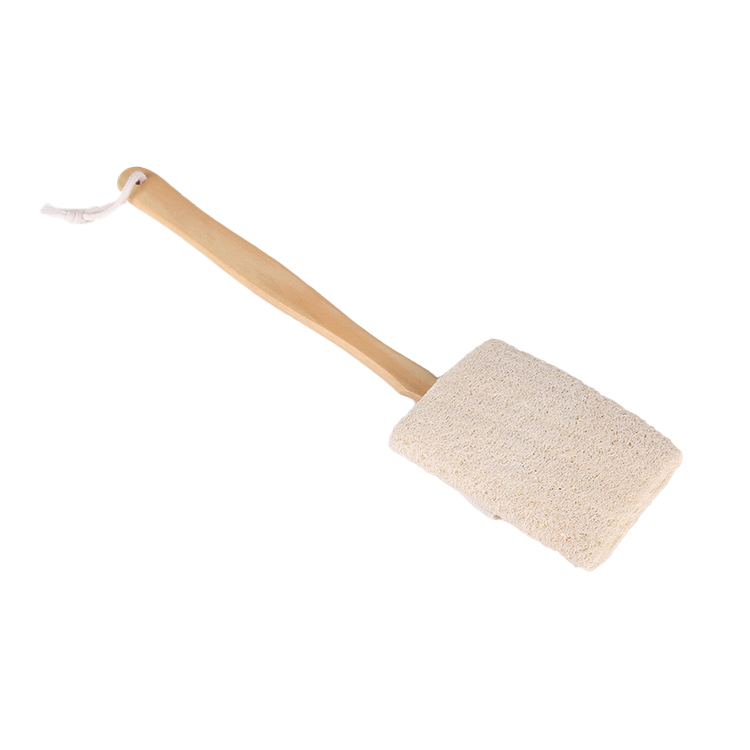
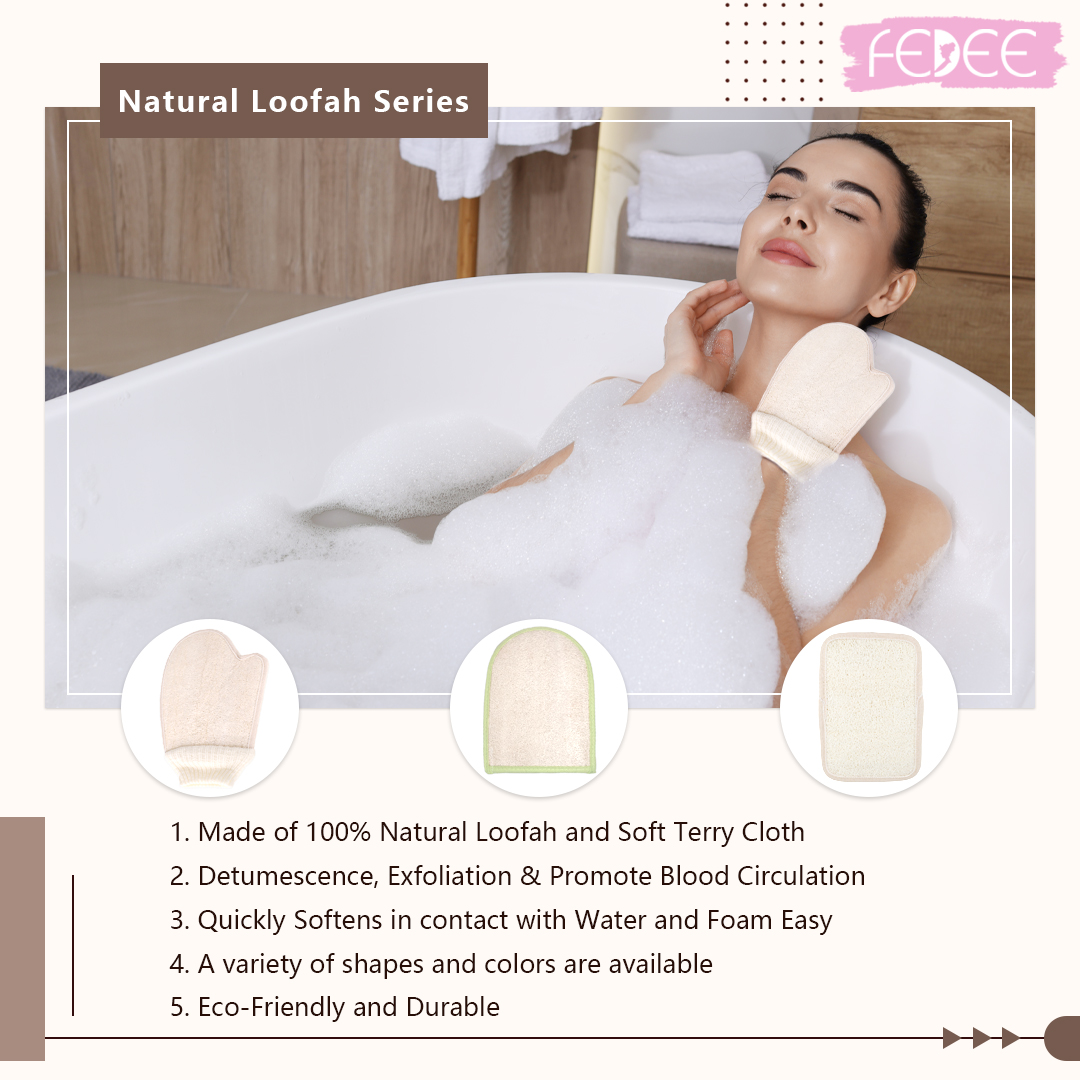
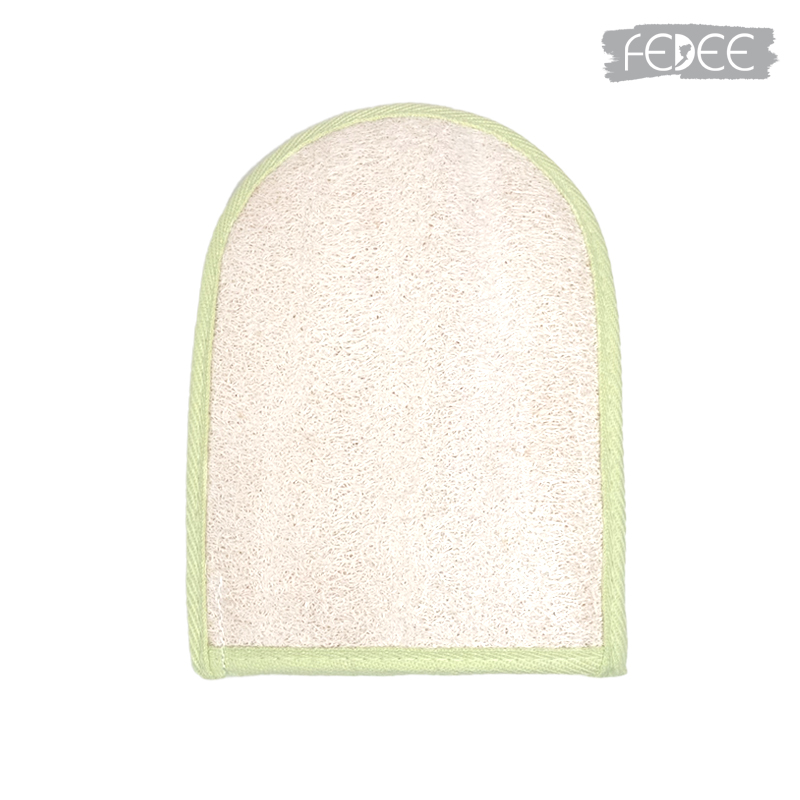
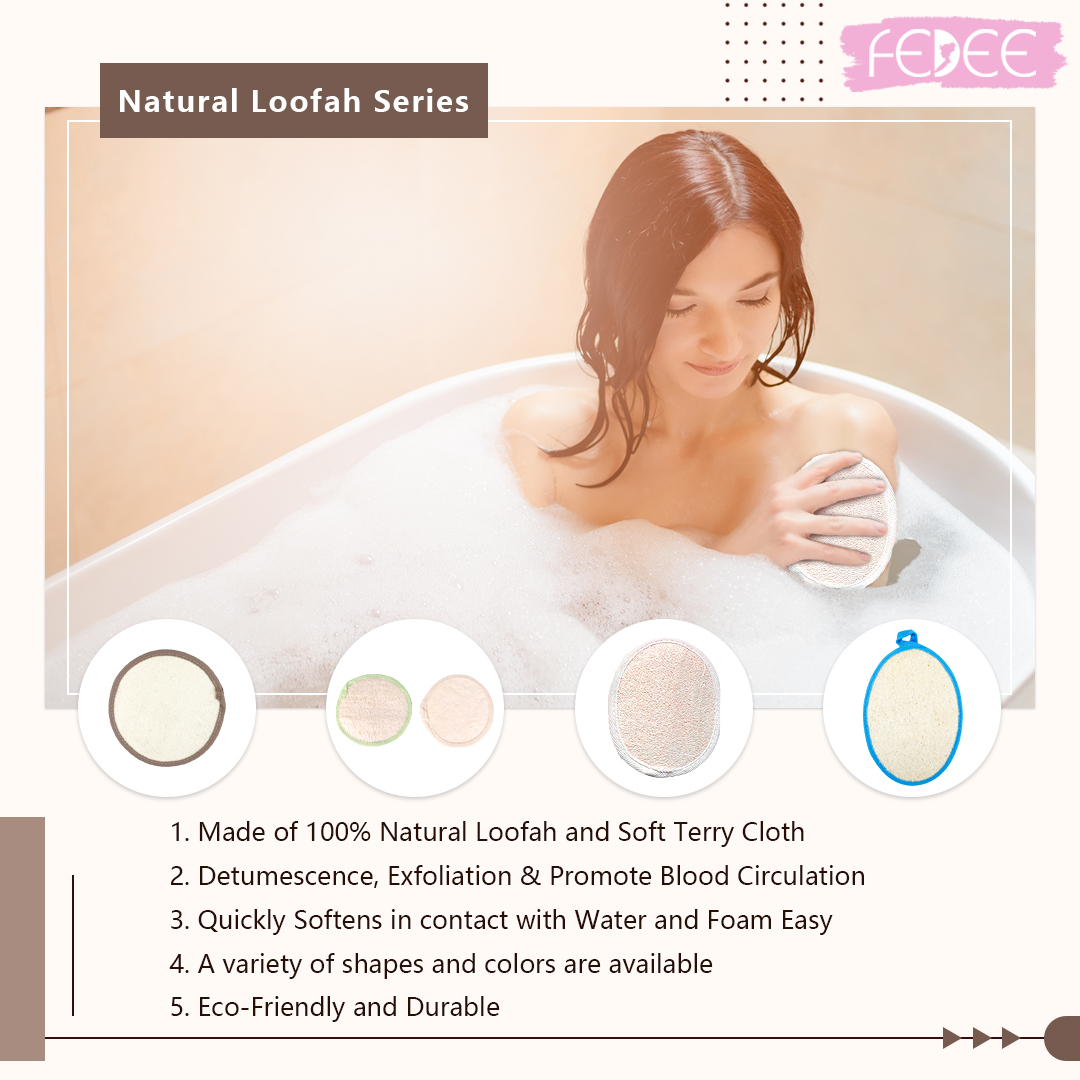
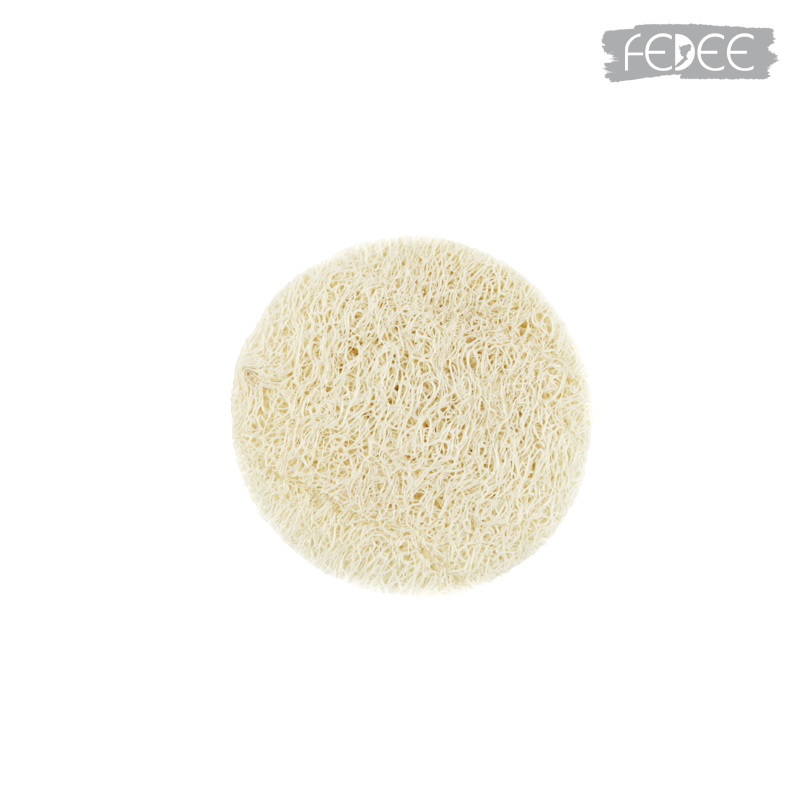
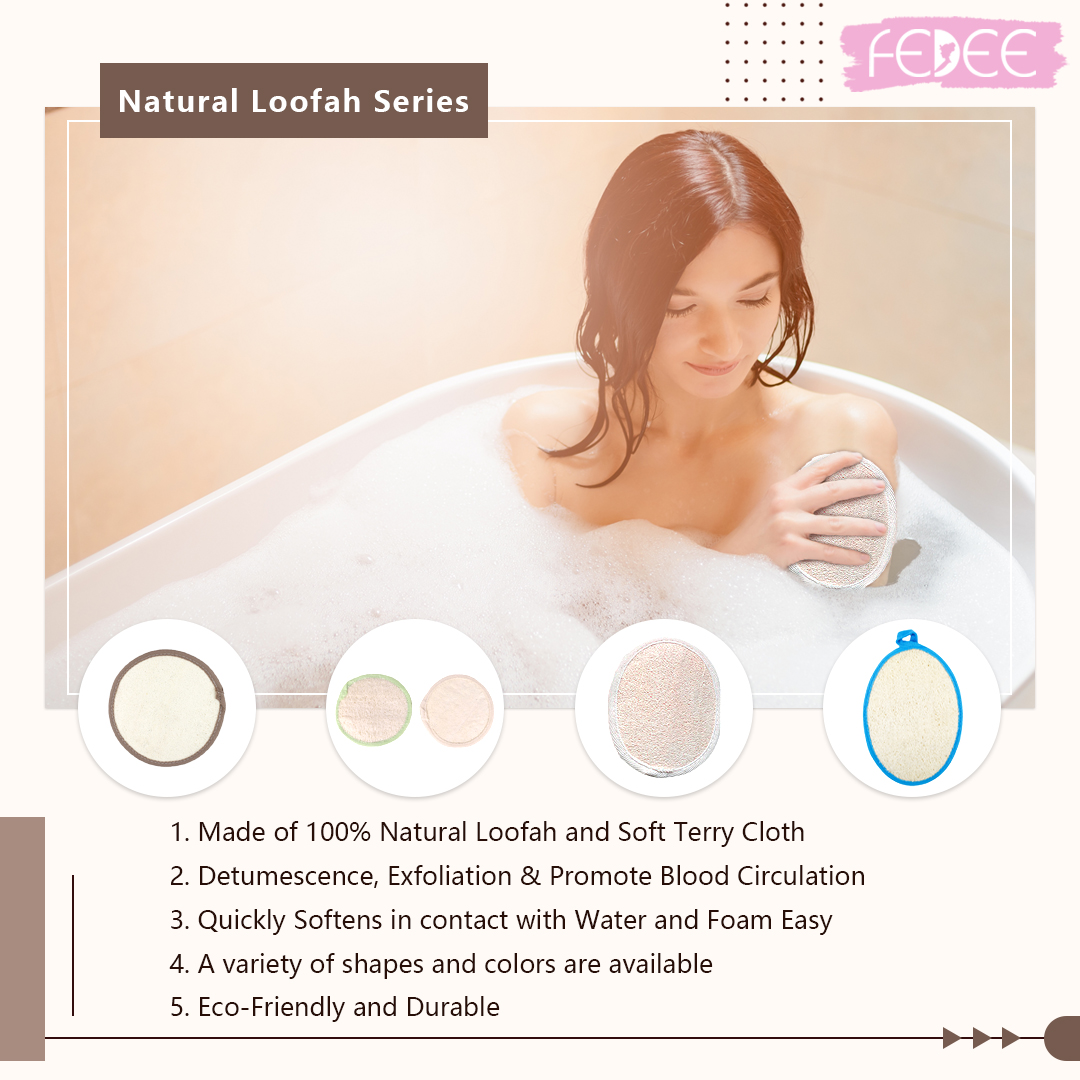
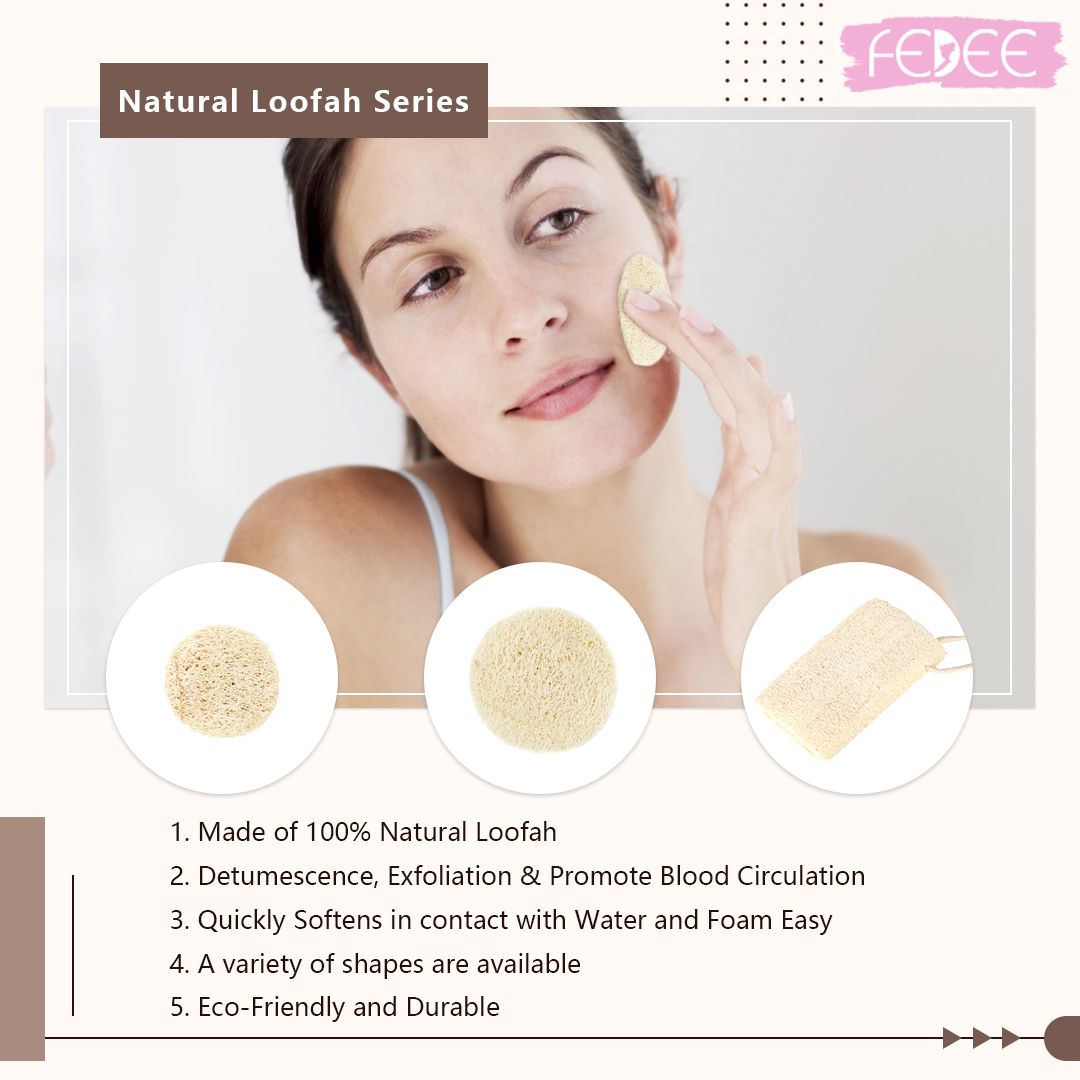
Here we recommend few classic and popular models for you.
Best Facial Cleaning Tool – Konjac Sponge
Sisal Bath Series